
Visible Water Evidence. Flotation of Post-Industrial Landscapes
2026
‘Visible Water Evidence. Flotation of Post-Industrial Landscapes’ is an artistic and research-based project focusing on post-industrial water bodies and waterways in Wrocław and Lower Silesia. It combines field research and archival inquiries with artistic practice, including photography, sound and film recordings, and the creation of installations. The project explores water sites created or transformed as a result of industrial activity and proposes an alternative way of perceiving them – one that moves beyond the image of a degraded or useless landscape.
A central concept of the project is ‘flotation’. In its industrial sense, flotation is a process used, among other purposes, in mining to separate valuable components of ore from other materials. In the project, however, flotation also becomes a metaphor and an artistic tool for “bringing to the surface” what usually remains unseen: traces of industrial history, environmental processes, memories embedded in places, as well as emerging forms of life and possible future scenarios.
A key aspect of the artistic-research initiative is the ‘biocentric perspective’, in which humans are not the sole point of reference. Water bodies and waterways are approached as ‘hydrotopes’ – water-based places that form part of complex relationships between water, soil, plants, animals, microorganisms and humans. The project is interested not only in their industrial function and history, but also in the processes that occur after industrial use has ceased: rewilding, ecological regeneration, the colonisation of these sites by different organisms, and the emergence of new ways of using them, such as recreation and fishing.
The project involves research and documentation of selected sites in Lower Silesia, including water bodies associated with former copper mining operations and KGHM flotation waste facilities. The research includes archival inquiries, field studies, documentary and research-oriented photography, film and sound recordings, as well as conversations with people connected to the sites. The collected materials form the basis for artistic works that allow these landscapes to be viewed from unconventional perspectives.
The venture does not seek to idealise the industrial past or overlook the environmental problems associated with it. On the contrary, it proposes a critical yet utopian approach to the future of places whose functions and meanings may change. At the heart of the project is the question of ‘how to look at post-industrial water landscapes not only through the lens of their past, but also through the possibility of life re-emerging within them’ . It also asks whether, and in what ways, such sites could become new public, recreational and cultural spaces in the future, while respecting the wellbeing of the entire hydrotope.
It will culminate in a multimedia exhibition at GUA Collective, located in Podwórko Ruska 46 in Wrocław, on view from 29 October to 5 December 2026. The exhibition will feature digital and analogue photographs, films, soundscapes, recorded memories and spatial objects. One of its elements will be an interactive hydrokinetic installation using a closed water circulation system and hydraulic components – vessels, pipes, pumps, valves and filters – as a physical reference to the dynamics of flotation and the circulation of water. The exhibition will be accompanied by guided tours and conversations with experts in fields including hydrology and environmental protection.
Academic collaboration: Wojciech Browarny
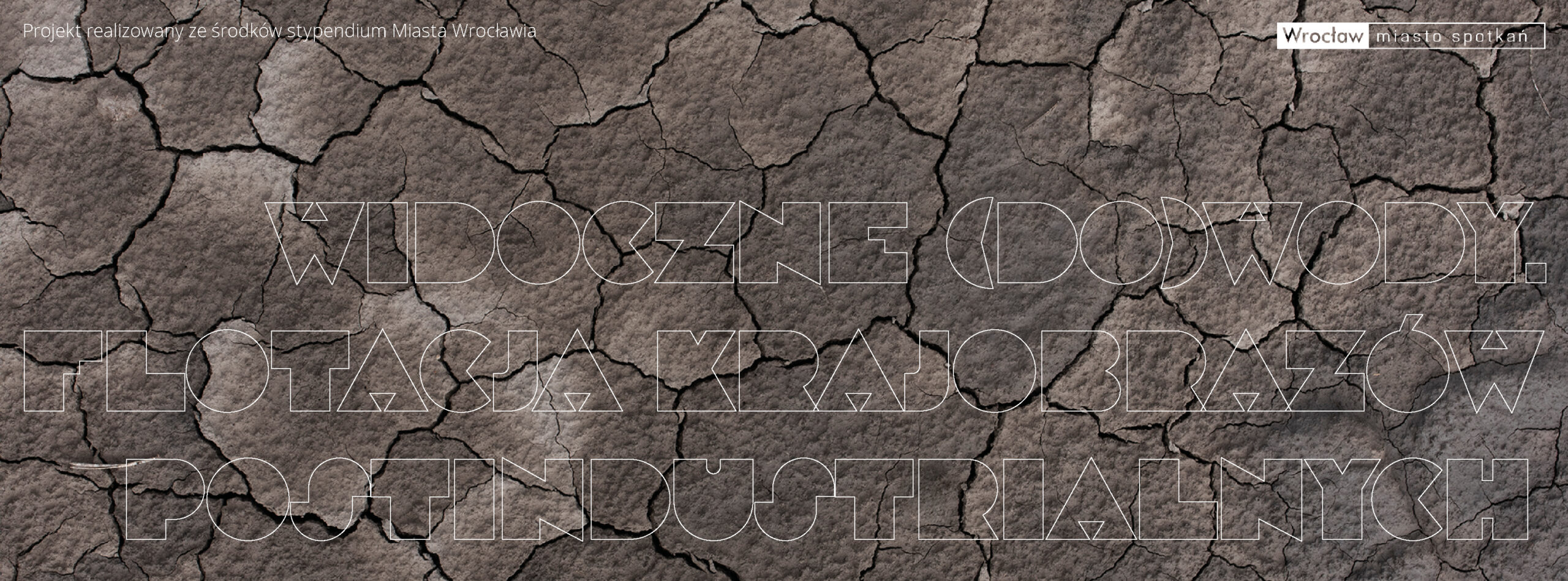
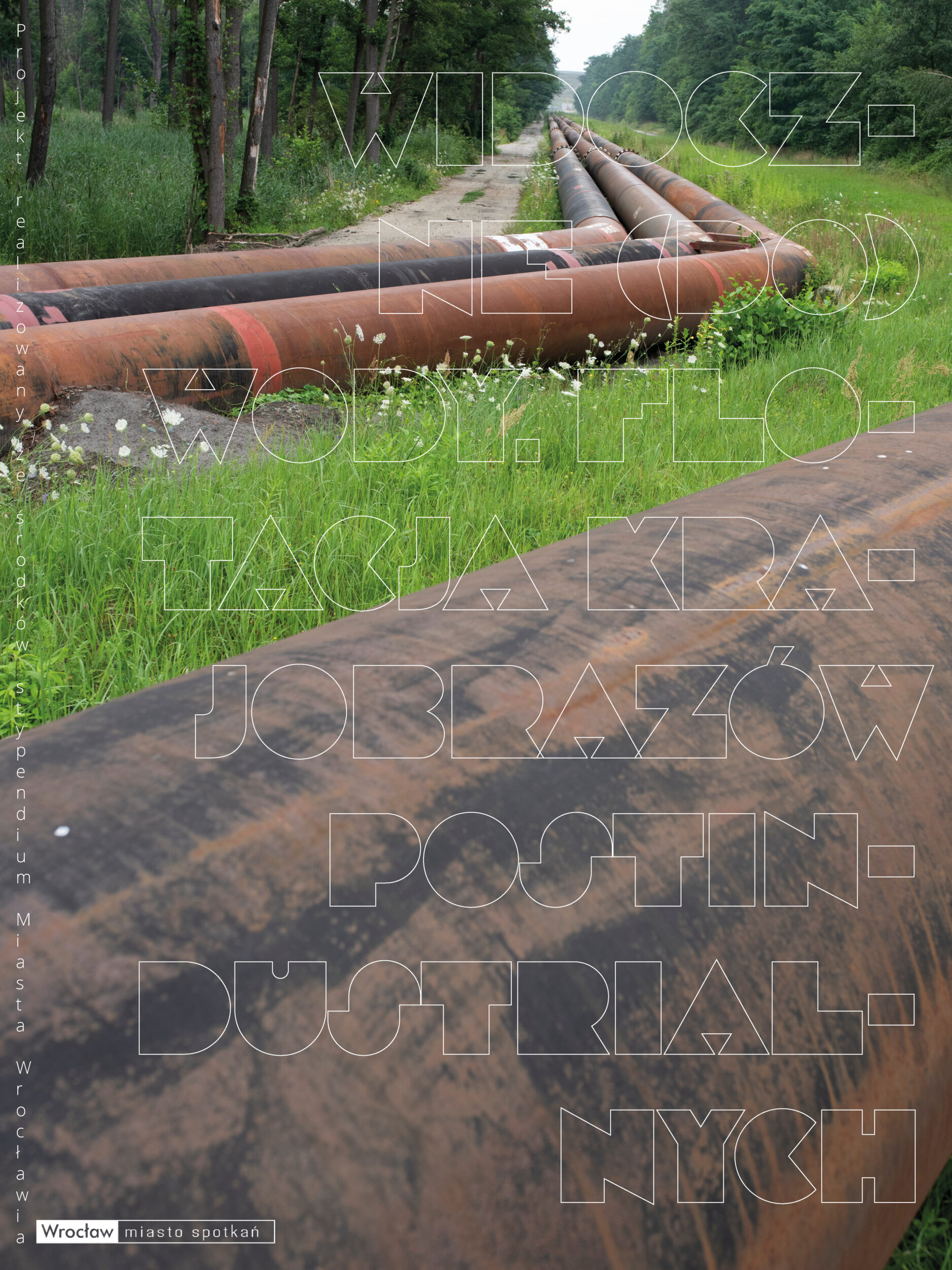
Graphics: Magdalena Mądra. Images: The bottom of the ‘Wartowice’ flotation waste reservoir and transport pipes at the ‘Żelazny Most’ Mining Waste Treatment Facility (OUOW).
The initiative is funded by a scholarship from the City of Wrocław.
